
Written by Amanda chukwu for Bella digital
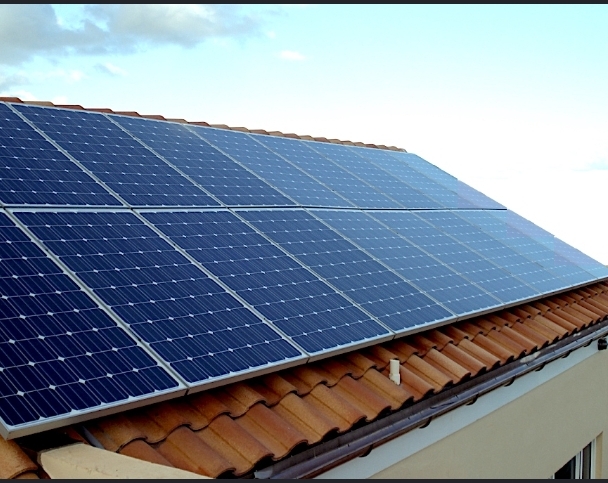
Solar has blown up in the last 10 years. It went from “expensive roof panels” to one of the cheapest sources of electricity worldwide.
*1. Global Spread – 2026 Snapshot*
– *Biggest Users*: China, USA, India, Germany, Japan. China alone installs more solar every year than most countries have total
– *Fastest Growth*: Africa, Middle East, Southeast Asia. Reason: Sun + diesel is expensive + grid problems
– *Cost Drop*: Solar panel prices dropped ∼90% since 2010. That’s why everyone can afford it now
– *FIFA/UN target*: Solar + wind expected to be 40%+ of new electricity worldwide by 2030
*2. Why Solar Is Spreading So Fast*
1. *Cheap*: Solar is now cheaper than coal/gas in most countries
2. *Easy to install*: From 1 panel for a home to 1000-acre solar farms
3. *No fuel cost*: Sun is free. No diesel, no gas bill
4. *Government push*: Grants, tax breaks, net metering policies
5. *Energy security*: Countries want to stop depending on imported oil/gas
*3. Solar in Africa & Nigeria 🇳🇬*
This is where the spread is most important.
*Challenges we had:*
– Unstable grid, expensive diesel generators
– High upfront cost
*What’s changing now:*
1. *Solar Home Systems*: Pay-as-you-go companies like Lumos, Arnergy. ₦5k-₦20k/month for lights, TV, fans
2. *C&I Solar*: Factories, banks, malls in Port Harcourt going solar + battery to cut diesel cost by 60%
3. *Solar Mini-grids*: Powering whole communities/villages off-grid
4. *Government programs*: Rural Electrification Agency REA is deploying solar in schools, hospitals, markets
5. *Import duty waivers*: Makes panels cheaper
In Rivers State, lots of businesses now run *hybrid: NEPA + Solar + Inverter* because diesel is too expensive.
*4. Types of Solar Setups Spreading*
**Type** **Who uses it** **Cost Range**
**Small Solar System** Homes: lights, fans, TV, phone charging ₦200k – ₦800k
**Inverter + Solar** Homes/Business: fridge, AC, computers ₦1.5M – ₦8M
**Commercial Solar** Shops, schools, offices ₦5M – ₦50M
**Solar Farm** Communities, DISCOs ₦100M+
*5. The Future – What’s Next*
1. *Battery prices falling*: LFP batteries now last 10+ years. Less generator use
2. *Solar + Storage*: Key for 24/7 power, not just daytime
3. *Agrivoltaics*: Farming + solar panels on same land
4. *Solar jobs*: Installers, engineers, sales. Huge opportunity in Nigeria
*Bottom Line*
Solar spread happened because it got *cheap, reliable, and flexible*.
In Nigeria, it’s spreading fastest as a *solution to NEPA + diesel problem*, not just “green energy”.
For a business, solar cuts operating cost massively. For homes, it’s peace of mind.
YOU MIGHT ASK; WHAT IF IT RAINING
Short answer: *Yes, solar still works when it rains. Just at reduced power.*
*1. How much power do you get when it rains?*
Rain + clouds block sunlight, so panels drop to *10% – 30% of normal output*.
– *Light rain/cloudy*: ∼20-30% power
– *Heavy rain/storm*: ∼10-15% power
– *Night*: 0% power
Panels don’t need “heat”. They need light. Even diffused light through clouds still generates electricity.
*2. So what happens to your home/business?*
This is where your *system design* matters:
**Setup** **What happens during rain**
**Solar Only, No Battery** Power drops. If sun is too low, system shuts off
**Solar + Battery** Battery takes over. You run on stored power from sunny days
**Solar + Battery + NEPA/Generator Hybrid** If battery runs low, it auto-switches to NEPA or generator
**Grid-tied No Battery** You pull extra power from the national grid
For Nigeria, *hybrid is king* because of rain + NEPA wahala.
*3. 3 Tips to Make Solar Work Well in Rainy Season*
1. *Oversize your battery*: Size it for 1-2 days of autonomy. So 3 days of rain won’t kill you
2. *Good tilt + cleaning*: Rain actually cleans dust off panels. But leaves/mud should be washed off
3. *MPPT Charge Controller*: This tech squeezes maximum power even in low light. Don’t use cheap PWM
*4. Other Rainy Weather Facts*
– *Lightning*: Panels have surge protectors. Proper earthing is important
– *Temperature*: Panels actually work BETTER when it’s cold. Heat reduces efficiency
– *Snow/Hail*: Not a Nigeria problem, but panels are tested to withstand hail
– *Lifespan*: Rain doesn’t damage panels. They’re rated 25 years and are waterproof IP65+
*5. Real Example for Port Harcourt*
PH has ∼6 months of heavy rain.
A good setup there would be: *Solar → Charge Battery → Inverter → House*
Then set the inverter to “Solar priority, Battery backup, NEPA last”.
On sunny days you charge full. On rainy days you use battery + NEPA only if needed.
This cuts diesel/NEPA bill by 60-80% yearly.
*Bottom line*: Rain reduces solar, it doesn’t stop it. Batteries are what make solar reliable in Nigeria’s rainy season.
ARE YOU BOTHERED ABOUT THE LONGEVITY OF SOLAR
1. *How long do the solar panels/equipment last?*
2. *How long will the sun provide energy?*
Let’s break both 👇
*1. How Long Do Solar System Parts Last?*
**Component** **Lifespan** **What happens over time**
**Solar Panels** **25 – 30 years** They don’t “die”. They degrade ~0.5% per year. After 25 years, they still produce ~80-85% of original power
**Lithium Battery – LFP** **8 – 12 years** or 4000-6000 cycles New standard in Nigeria. Lasts 2x longer than old lead-acid
**Lead-Acid/Tubular Battery** **3 – 5 years** Cheaper upfront but replace more often
**Inverter** **10 – 15 years** Depends on heat and load. Good brands like Victron, Must, Felicity last longer
**Charge Controller** **10 – 15 years** MPPT controllers are more durable
**Mounting + Cables** **25+ years** If installed well, rain/sun won’t damage them
*Warranty to look for in Nigeria:*
Panels: 25-year performance warranty + 10-12 year product warranty
LFP Battery: 5-year warranty
*2. How Long Will The Sun Provide Energy?*
Basically *forever for us* 😅
Scientists say the sun has ∼5 billion years of fuel left.
So solar energy itself is a *renewable, infinite source* on a human timescale.
*3. What Reduces Longevity in Nigeria?*
1. *Heat*: PH heat is fine, but inverters/batteries in hot rooms die faster. Keep them ventilated
2. *Poor installation*: Bad wiring, no earthing, wrong cable size kills systems in 2 years
3. *Overloading*: Running AC 24/7 on a small system stresses batteries
4. *Dust*: Clean panels 2-3 times per year. Rain helps
5. *Fake/cheap equipment*: ₦200k “solar” that dies in 1 year. Buy tier-1 panels + good batteries
*4. Maintenance to Make It Last 25 Years*
1. *Wash panels* 2-3x per year
2. *Check battery water* if using tubular. LFP is maintenance-free
3. *Service inverter* yearly – blow out dust
4. *Don’t discharge battery below 50%* if lead-acid. LFP can go to 20%
5. *Use a professional installer* with proper fuses, breakers, earthing
*Bottom Line*
A properly installed solar system in Port Harcourt should give you *25+ years from panels* and *8-12 years from batteries* before major replacements.
Your ROI is usually 3-5 years, so everything after that is almost free power.
Compare that to generator: engine dies in 3-5 years and fuel cost never stops.
CAN SOLAR POWER CARRY SAME VOLTAGE AS NEPA
*Yes ✅*
Solar itself doesn’t have a “voltage”. The *inverter* decides what voltage comes out of your solar system.
*1. Standard Voltage in Nigeria*
*NEPA/PHCN standard = 220V – 240V AC, 50Hz* single phase for homes
*3-phase = 415V* for shops, factories, big equipment
A good solar inverter is designed to output *exactly 220V – 240V AC, 50Hz* so your fridge, TV, AC, fans won’t know the difference.
*2. How Solar Matches NEPA Voltage*
Here’s the flow inside a solar system:
`Solar Panels DC 24V/48V` → `Charge Controller` → `Battery DC 12V/24V/48V` → `Inverter` → `AC 220V-240V`
The *inverter* converts the battery DC to AC 220V just like NEPA.
That’s why you can plug NEPA appliances directly into solar without stabilizer.
*3. 3 Important Things to Note*
1. *Voltage is the same, but Capacity is different*
NEPA might give you unlimited amps until transformer blows.
Solar can only give what your *inverter size + battery* can carry.
Example: 3.5KVA inverter = can run ∼3KVA load at once. If you overload it, it will shut down.
2. *Pure Sine Wave Inverter*
Make sure you buy *Pure Sine Wave*, not “modified”.
Pure sine = same clean power as NEPA. Safe for fridge, AC, computers, medical equipment.
3. *Switching Between Solar and NEPA*
Most hybrid inverters have *ATS – Automatic Transfer Switch*.
When battery is low, it auto-switches to NEPA. When sun comes, it switches back.
Voltage stays 220V-240V throughout.
*4. What About 3-Phase?*
Yes. There are *3-phase solar inverters* for factories, hospitals, big malls.
Output: *415V, 50Hz* – same as NEPA 3-phase.
*Bottom Line*
*Voltage = Same as NEPA*
*Difference = Solar has a limit* based on inverter and battery size. NEPA can theoretically carry more load until it trips.
That’s why proper load calculation is important before installation.
This can actually guide you to get appropriate solar energy system
Lights + fans + TV + fridge* = ∼2KVA system
2. *Add AC + freezer* = ∼5KVA system
3. *Shop/Office* = ∼10KVA and above
Wow this has been an eye opening journey right? We hope to always have you around
