
Written by Amanda for Bella digital
It’s natural gas compressed to use as fuel for vehicles instead of petrol or diesel.
Nigeria has a lot of gas, so the government is pushing CNG to make transport cheaper and cleaner.
*1. Timeline: How CNG Came Into Nigeria*
**Year** **What Happened**
**1997** Nigerian government first introduced CNG as an alternative fuel for automobiles to reduce pollution from gas flaring and transport. But progress was slow
**2010** NIPCO launched Nigeria’s first CNG for vehicular use in Benin City
**2023** Major push after fuel subsidy removal. President Tinubu launched the **Presidential Compressed Natural Gas Initiative (Pi-CNG)** as a palliative
**2023 – 2026** $2 billion private investment secured. 120,000+ vehicles converted, 400+ conversion centres, 90+ refuelling stations
*2. Why Nigeria Is Pushing CNG Now*
1. *Cheaper Fuel* – CNG is sold at ₦230 per litre and is 40% – 60% cheaper than petrol/diesel
2. *Reduce Transport Cost* – Goal is to ease cost of living, especially for commercial drivers
3. *Cleaner Energy* – Produces lower carbon emissions than petrol. Reduces tailpipe emission by up to 40%
4. *Use Our Gas* – Nigeria flares a lot of gas. CNG helps use it locally instead of just exporting LNG
5. *Jobs + Investment* – Created 10,000+ direct/indirect jobs, 7,700 technicians trained
*3. Key Parts of the Current CNG Push – Pi-CNG 2023*
*Government Initiatives:*
1. *1 Million Free Conversion Kits* – For commercial vehicles, rolled out over 18 months
2. *Infrastructure* – Goal: 1,000 conversion + refuelling stations nationwide. Additional 500 stations planned
3. *Vehicles* – 655 CNG buses and 5,123 CNG tricycles procured and deployed
4. *Target* – 1 million CNG vehicles on Nigerian roads by 2027
*Current Status as of 2026:*
– *$2 billion* private sector investment in CNG value chain
– *120,000+ vehicles* converted to CNG
– *400+ certified conversion centres*
– *90+ refuelling stations*
*4. Benefits of CNG for Nigerians*
**Benefit** **Details**
**Cost Saving** Transporters reporting significant fuel cost savings
**Price Stability** Insulates consumers from oil market volatility
**Environment** Cleaner, more sustainable fuel
**Energy Security** Reduces dependence on imported petrol/diesel
**Job Creation** 50,000+ jobs expected from 1,000 stations
*5. Challenges Being Addressed*
The early 1997 attempt was slow because government focused more on LNG export, LPG and gas-to-power.
Now the government is working on:
– More refuelling stations and access
– Subsidizing conversion expenses
– Safety standards – 80 standards approved
– Public awareness
*6. What This Means For You in Port Harcourt*
1. *Cheaper Transport* – Keke, bus, taxi using CNG should drop fare
2. *Conversion Business* – 400+ centres nationwide. You can learn CNG conversion as a new skill
3. *New Stations* – More CNG refuelling stations coming to major cities
4. *Commercial Vehicles First* – Government priority is buses, keke, trucks
*Bottom Line*
CNG was first proposed in *1997*, piloted in *2010*, but the real nationwide push started in *2023* with Pi-CNG after subsidy removal.
Goal: *Cheaper, cleaner, and made-in-Nigeria fuel* for transport
ONE QUESTION IS; WILL IT AFFECT PRIVATE COMMERCIAL VEHICLES?
*Yes — The introduction of CNG will affect individual + commercial vehicles a lot* 🚐⚡
Since the 2023 Pi-CNG push, the government is targeting commercial vehicles first, but individuals will feel it too.
Here’s the breakdown:
*1. How It Affects COMMERCIAL Vehicles – Buses, Keke, Taxis*
This is where the biggest impact is.
**Area** **Impact**
**Fuel Cost** CNG is ₦230/L vs petrol ₦800+ . That’s 40-60% cheaper. Drivers save ₦15k – ₦40k weekly
**Free Conversion Kits** Govt ordered 1 million free CNG conversion kits for commercial vehicles + free installation over 18 months
**Govt Buses/Keke** 655 CNG buses and 5,123 CNG tricycles already deployed for public transport
**Profit** Transporters reporting significant fuel cost savings
**Fares** If fuel cost drops, transport fare should reduce too
*Bottom line for commercial drivers*: Lower running cost = more profit per day.
*2. How It Affects INDIVIDUAL/Private Vehicles*
**Area** **Impact**
**Conversion Cost** Commercial vehicles get free kits. Private car owners will likely pay ₦1.2M – ₦2.5M depending on car type
**Fuel Savings** Same 40-60% savings if you convert. Full tank CNG can cost ₦6k – ₦8k vs ₦20k+ petrol
**Availability** 90+ refuelling stations now, target 1,000 nationwide. PH already has some
**Maintenance** Engine lasts longer because CNG burns cleaner. Less carbon buildup
**Resale Value** CNG cars may have higher resale soon as fuel cost matters more
*3. The 3 Biggest Changes Everyone Will Notice*
1. *Cheaper Transport Fare*
If Danfo, Keke, Bolt drivers use CNG, they’ll charge less. Govt is pushing this to reduce cost of living.
2. *New Conversion Business*
400+ certified conversion centres already. Mechanics in PH are training to convert cars. 7,700+ technicians trained nationwide.
3. *More CNG Stations*
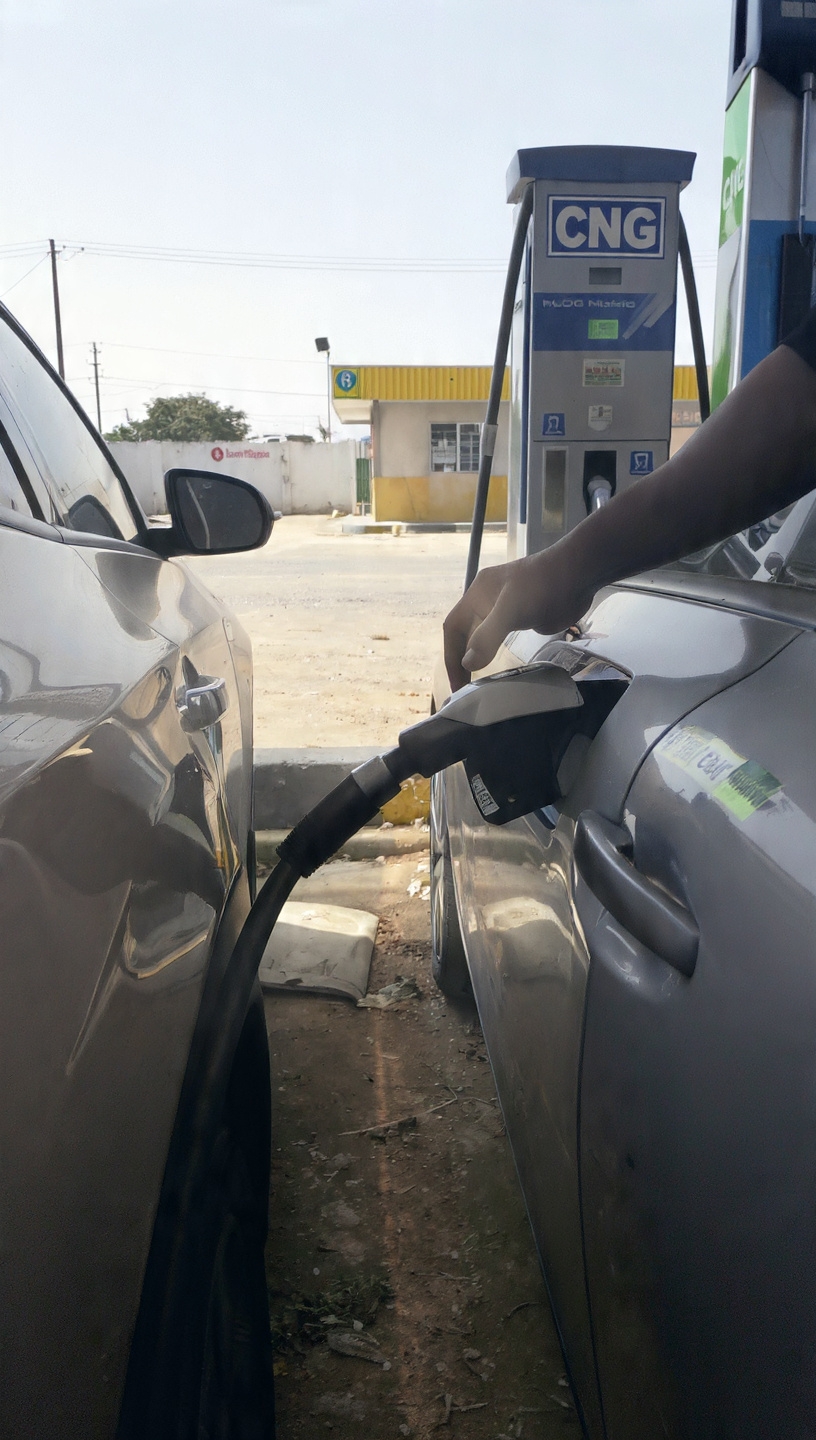
You’ll start seeing “CNG” pumps beside petrol stations. $2 billion investment is going into infrastructure.
*4. Pros and Cons for Vehicle Owners*
*Pros:*
1. *Save Money* – Biggest win. Fuel is the #1 expense
2. *Cleaner Engine* – Less wear and tear
3. *Government Support* – Training, standards, infrastructure
*Cons:*
1. *Upfront Cost* – Conversion isn’t free for private cars yet
2. *Boot Space* – CNG cylinder takes space in the boot
3. *Few Stations* – Still growing. You need to plan routes in 2026
4. *Power* – Slight drop in horsepower vs petrol, but not noticeable for city driving
*5. What Should You Do in 2026?*
*If you’re Commercial:*
1. Check if you qualify for free conversion kits through NURTW/NARTO
2. Go to a certified conversion centre. Don’t do “roadside conversion”
3. Register with Pi-CNG to get updates
*If you’re Individual:*
1. Wait 6-12 months if you can. More stations + cheaper kits coming
2. If you drive a lot – Uber, Bolt, long distance – conversion pays for itself in 8-12 months
3. Only convert at NMDPR-certified centres for safety
*Bottom Line*
*Commercial vehicles = First priority + Free kits*
*Individual vehicles = Pay to convert, but save big on fuel long-term*
The goal is: 1 million CNG vehicles by 2027. So expect CNG to become normal like LPG did.
I know you have been informed and October 1st might be the date
