

Written by Bella for Bella digital
Enjoy reading
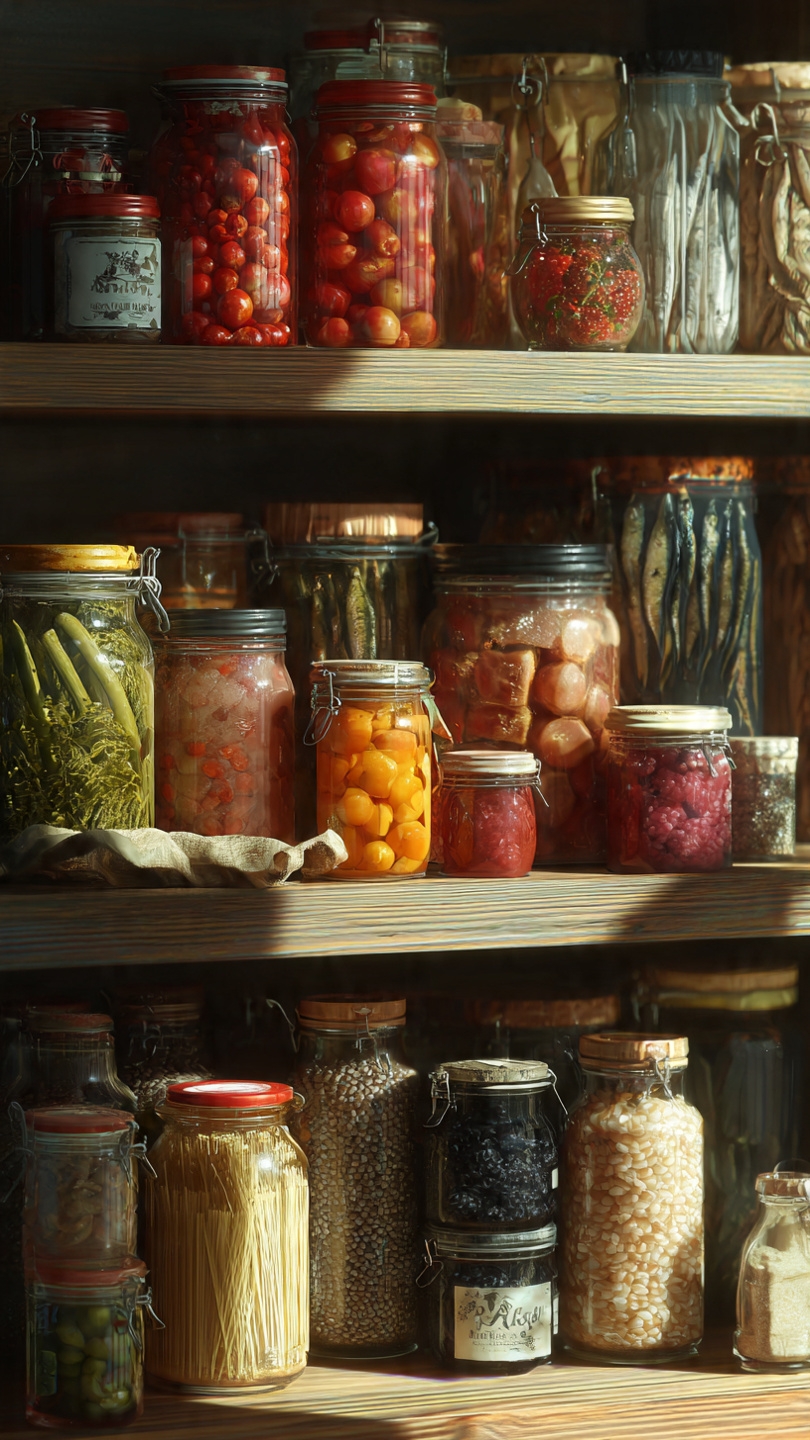
Food preservatives are added to keep food safe and last longer, but like anything, too much or the wrong types can have downsides.
Why preservatives exist
They stop bacteria, mold, and spoilage. Without them, things like bread, juice, and canned fish would go bad in days. That’s a big deal for food safety and reducing waste.
Potential hazards when used excessively
- Health reactions
Some people are sensitive to specific preservatives.
Examples:
Sulfites in dried fruit/wine → can trigger asthma in some people
Nitrates/Nitrites in processed meats like sausage, hotdogs → can form nitrosamines when cooked at high heat, linked to health risks if eaten a lot
BHA/BHT in snacks/cereals → some studies suggest concerns with very high long-term intake - Digestive + gut issues
Certain preservatives like benzoates, artificial sweeteners, and emulsifiers may disrupt gut bacteria for some people if consumed daily in large amounts. - Hyperactivity in kids
Some artificial colors + preservatives like sodium benzoate have been studied for links to hyperactivity, especially when combined with food dyes. - Allergies
Headaches, rashes, or breathing issues in sensitive people from things like MSG, sulfites.
Important context
- Dose matters: Regulatory bodies like NAFDAC, FDA, and WHO set limits. The amounts in normal packaged food are usually well below those limits.
- Whole foods vs processed: The risk goes up when most of your diet is ultra-processed foods with multiple preservatives daily — e.g. instant noodles, soft drinks, packaged snacks, cured meats.
- Natural ≠ automatically safe, Synthetic ≠ automatically bad: Both are tested. Vinegar, salt, and lemon are natural preservatives and generally very safe.
How to reduce exposure without stress
- Read labels: Look out for sodium benzoate, nitrates, sulfites, BHA/BHT if you’re sensitive.
- Eat more fresh: Fruits, veg, beans, fresh fish, home-cooked meals.
- Cook at home more: You control what goes in.
- Store properly: Fridge, airtight containers, and cooking well also reduce need for heavy preservatives.
- Variety: Don’t eat the same packaged food every day.
Bottom line
Preservatives make our food supply safer and more affordable. The hazard mostly shows up with overconsumption of highly processed foods, or for people with specific sensitivities.
Calm down guys let’s look at modern ways for food storage…
Modern ways of storing food 🥦🥩
The goal now is: keep food fresh longer, waste less, and keep nutrients. We’ve moved way past just “put it in the fridge.”
Here are the best modern methods in 2026:
1. Smart Refrigeration
- Smart fridges: Track expiry dates, send alerts to your phone when milk is low or veggies are about to spoil. Some even have cameras inside.
- Zone-controlled fridges: Different compartments for fruits, meat, dairy with exact humidity + temp. Keeps produce crisp 2x longer.
- Blast chillers: Cool food super fast after cooking. Stops bacteria growth and keeps texture.
2. Vacuum + Air-free storage
- Vacuum sealers: Suck all air out of bags/containers. Stops freezer burn and makes meat, beans, rice last 3-5x longer.
- Vacuum canisters: For garri, flour, cereals. Keeps out moisture + weevils in humid places like Kaduna.
- Sous vide bags: Also great for storing prepped meals in fridge/freezer.
3. Modified Atmosphere Packaging – MAP
Used by supermarkets. They replace air in the pack with special gas mix.
That’s why salad bags and meat trays stay fresh for weeks without preservatives.
4. Freezing tech upgrades
- Flash freezing / IQF: Freezes each piece individually. Berries, veggies, fish don’t clump and keep texture.
- Deep freezers with inverter: Uses less power and keeps temp stable even with NEPA fluctuations.
5. Dehydration + Freeze-drying
- Home dehydrators: Turn fruits, tomatoes, pepper into chips/powder. Lightweight and lasts months.
- Freeze dryers: Used for emergency food, camping meals, baby food. Keeps 90% of nutrients and lasts 10-25 years.
6. Fermentation + Smart preservation
Not new, but modernized. Smart fermenters now control temp for yogurt, kunu, ogi, etc.
Probiotics + long shelf life with no chemicals.
7. Edible coatings + Nano storage
- Edible wax/coatings on fruits and veggies to lock in moisture. Already used on apples and cucumbers in stores.
- Nano packaging: Bags that absorb ethylene gas so bananas and tomatoes ripen slower.
8. Digital + App-based
- Food storage apps: You scan groceries, app tells you “use this tomato in 3 days”
- IoT sensors: Stickers that change color when meat/fish has spoiled
Quick home tips you can use today
Food Modern way to store
Veggies + Fruits Wash, dry fully, store in airtight containers with paper towel
Meat + Fish Portion + vacuum seal, then freeze
Grains, Garri, Beans Airtight container + bay leaves or oxygen absorbers
Leftovers Glass containers, cool fast, fridge within 2 hours
Herbs Stand in water like flowers, cover with bag in fridge
Why this matters
Less food waste, less trips to market, and food keeps its taste + nutrients. Especially useful with power issues — vacuum + dry storage don’t need constant electricity👇
I clearly believe you learnt enough about food preservation and I hope you always come to read from us at bella digital… Cheers
